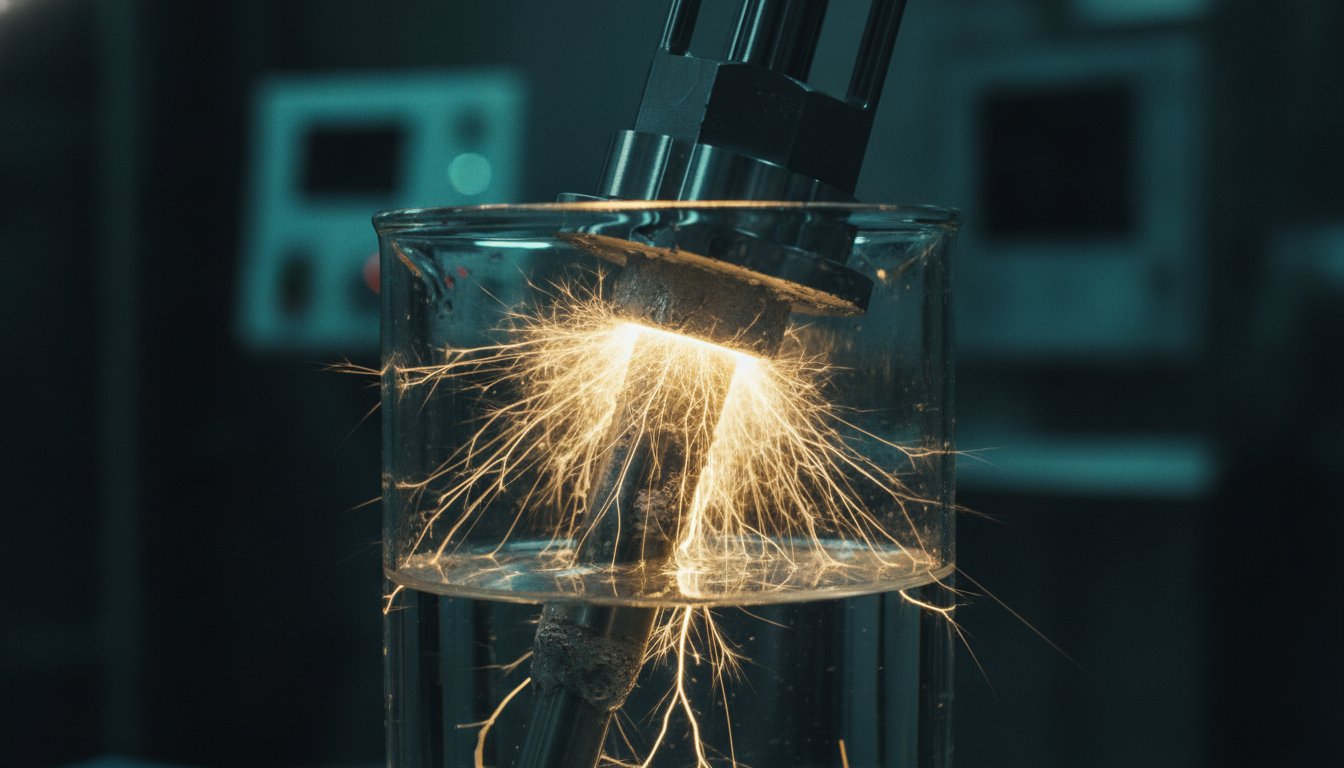
Traditional hard-chrome and toxic anodizing processes are no longer just an environmental liability; they’re a strategic bottleneck as EPA and ECHA regulations tighten throughout 2026. If you’re managing complex assemblies in the aerospace or semiconductor sectors, you’ve likely faced the frustration of premature component failure in high-vacuum environments or the persistent headache of poor coating adhesion. A precision-engineered MAO surface treatment isn’t just a protective layer; it’s a fundamental metallurgical transformation that’s becoming essential for high-performance lightweight alloys. We understand that reliability isn’t optional when failure costs millions in downtime.
This guide will help you unlock the technical and strategic advantages of Micro-Arc Oxidation to achieve unmatched thermal management and improved dielectric properties. You’ll learn how to extend component lifespans through advanced ceramic layers that traditional methods simply can’t match. We’ll also preview the shift toward scalable in-house solutions and the impact of the upcoming ISO 9001:2026 revision on your surface treatment workflows. By the end of this analysis, you’ll have a clear roadmap for integrating this next-generation technology into your production cycle to ensure your assemblies are truly future-proof.
Key Takeaways
- Understand how high-voltage plasma discharges convert metal surfaces into precision-engineered crystalline ceramic structures for unmatched durability.
- Discover why MAO surface treatment significantly outperforms traditional hard anodizing in high-stress environments by eliminating spalling and resisting temperatures exceeding 500°C.
- Learn to solve critical engineering challenges in semiconductor chambers and lidar systems through the application of non-reflective, erosion-resistant ceramic layers.
- Evaluate the strategic advantages of transitioning to in-house production using precision PEO Bipolar Power Units and integrated technology licensing models.
- Identify how to future-proof your manufacturing workflow against the 2026 regulatory shift away from toxic hard-chrome and traditional anodizing methods.
What is MAO Surface Treatment? Defining the Next Generation of Ceramic Coatings
MAO surface treatment represents a critical evolution in material science, moving beyond simple surface deposition toward a fundamental plasma-chemical transformation. Unlike traditional anodizing, which relies on relatively low-voltage electrochemical reactions, plasma electrolytic oxidation (PEO) utilizes high-voltage micro-discharges to create a dense, crystalline ceramic layer directly from the base metal. This process is specifically engineered for lightweight alloys including magnesium, aluminum, and titanium, which are often prone to wear or corrosion in high-precision environments.
The strategic value of this technology lies in its ability to extend the operational life of critical components by providing a barrier that’s both chemically inert and physically resilient. By converting the surface into a ceramic structure, engineers can utilize lightweight metals in applications previously reserved for heavier steel or specialized alloys. This shift is essential for industries like aerospace and robotics where weight reduction and durability are non-negotiable requirements.
To better understand this high-voltage plasma process, watch this technical overview:
The Metallurgical Bond: Why MAO is Different
One of the primary advantages of MAO surface treatment is how the coating interacts with the substrate. Traditional coatings often sit on top of the metal, creating a distinct interface that’s susceptible to delamination under thermal or mechanical stress. MAO grows both inward and outward, creating a robust transition zone where the ceramic layer is physically integrated with the metal. This growth mechanism results in significantly higher coating density and adhesion than standard hard anodizing. It effectively eliminates the risk of spalling; ensuring the coating remains intact even in high-vibration or high-vacuum environments.
Key Performance Metrics for Engineering Teams
When evaluating MAO for high-stakes assemblies, several metrics demonstrate its superiority. Hardness levels on aluminum alloys can reach up to 1500 to 2000 HV (Vickers), while magnesium alloys, traditionally difficult to protect, see substantial improvements in surface integrity. In terms of corrosion resistance, MAO-treated components often exceed 1,000 hours in neutral salt spray tests, providing a reliable barrier against aggressive chemical environments. Additionally, the high dielectric strength of these ceramic layers makes them ideal for electronics housings, where electrical insulation and thermal management must coexist within a compact design.
The Science of Micro-Arc Oxidation: Plasma and Bipolar Dynamics
The efficacy of MAO surface treatment depends on the controlled dielectric breakdown of a growing oxide film. When the applied voltage exceeds the breakdown strength of the initial layer, thousands of localized micro-discharges occur across the metal surface. These plasma arcs create extreme localized temperatures and pressures, melting the substrate and electrolyte ions to fuse them into a crystalline ceramic. As noted in this scientific review of PEO coatings, these discharges are the primary mechanism for transforming amorphous oxides into high-performance crystalline structures.
Electrolyte chemistry serves as the secondary pillar of this process. Most industrial applications utilize alkaline solutions, often containing silicates, phosphates, or aluminates. These ions don’t just facilitate conductivity; they’re actively incorporated into the coating’s chemical makeup, influencing both its thickness and its resistance to aggressive environments. Effective thermal management is essential during this phase. Without precise control over the energy input, the heat generated by micro-discharges can cause substrate deformation, particularly in thin-walled magnesium components. Balancing electrolyte temperature and discharge duration is critical for maintaining dimensional stability.
Bipolar Power Units: The Engine of Precision MAO
The power supply is the most strategic component in a modern MAO setup. Unlike simple DC power, bipolar pulses allow for independent control of anodic and cathodic cycles. This modulation dictates the growth rate and pore morphology of the ceramic layer. By varying current density and pulse frequency, engineers can produce a denser, more compact structure that resists moisture and chemical ingress. Precision-engineered PEO Bipolar Power Units prevent arc-over and ensure uniformity by suppressing the transition from beneficial micro-discharges to destructive large-scale arcing. To achieve this level of control in your facility, consider exploring our integrated power solutions for high-precision manufacturing.
Phase Composition: Alpha and Gamma Alumina
Understanding phase composition is vital for optimizing wear resistance. In aluminum alloys, the MAO process facilitates the transition from amorphous oxide to crystalline phases, specifically gamma and alpha alumina. Alpha alumina, or corundum, is the hardest phase and provides the highest level of abrasion resistance. Strategic control of the plasma parameters allows for a higher concentration of this phase. For magnesium alloys like AZ91D or AZ31, the chemistry involves the formation of magnesium aluminate spinels. Tailoring the electrical parameters for these specific alloys ensures the resulting ceramic layer possesses the thermal stability and hardness required for high-vacuum or aerospace applications.
Strategic Comparison: MAO vs. Traditional Hard Anodizing
While traditional hard anodizing has served the industry for decades, it’s increasingly inadequate for the extreme requirements of modern engineering. The primary differentiator lies in the structural integrity of the bond. Hard anodizing creates a surface layer that’s prone to spalling under mechanical stress or rapid thermal cycling. In contrast, MAO surface treatment develops a complex transition zone that anchors the ceramic into the metal matrix. This prevents delamination even in high-stress environments where traditional coatings would fail. It’s not just a surface layer; it’s a structural evolution of the component’s exterior.
Thermal resistance further separates these two methods. Standard anodized coatings often begin to crack or degrade when temperatures exceed 150°C to 200°C because of the mismatch in thermal expansion coefficients between the metal and the oxide. MAO coatings remain stable at temperatures exceeding 500°C. This makes them indispensable for engine components and high-speed aerospace assemblies. From a regulatory perspective, MAO is a significantly greener alternative. It uses dilute alkaline electrolytes instead of the concentrated acids required for hard-chrome or sulfuric anodizing. This shift simplifies waste management and aligns with tightening global environmental standards for 2026 and beyond.
Wear and Friction: Performance in Robotic and Aerospace Parts
Robotic assemblies require coatings that can withstand millions of cycles without degradation. MAO-coated titanium and aluminum exhibit superior abrasive wear resistance compared to their untreated or anodized counterparts. Research into coating growth on titanium alloy highlights how micro-discharges create a surface with a low coefficient of friction and exceptional hardness. For aerospace grade ceramic coating, this translates to reduced maintenance intervals and enhanced reliability for flight-critical hardware. It’s a strategic choice for robotic wear coating where precision and longevity are the primary drivers of value.
Dielectric and Thermal Properties
The dielectric strength of an MAO layer is substantially higher than that of standard anodizing. Breakdown voltage levels are often double or triple those of traditional films, which is vital for high-vacuum dielectric coating needs in semiconductor manufacturing. Beyond insulation, these coatings offer excellent heat distribution for lightweight metal consumer products. This ensures that heat generated by internal electronics is dissipated evenly across the housing, preventing hot spots and improving overall device efficiency. For more technical insights on material performance, you can explore our latest research on the material science blog.

High-Stakes Applications: From Semiconductor Chambers to Lidar Systems
The strategic deployment of MAO surface treatment in high-stakes environments is driven by the need for materials that survive where traditional finishes fail. In semiconductor manufacturing, chamber components face aggressive etch chemistries and high-density plasma. A semiconductor chamber ceramic coating provides the necessary erosion resistance to maintain process integrity and extend the Mean Time Between Cleaning (MTBC). This ensures the precision required for advanced fabrication processes where even microscopic particle shedding can compromise wafer yields.
For Lidar and optoelectronics, surface finishes must manage more than just wear. Optical housings require non-reflective, high-durability coatings that can withstand environmental exposure without degrading signal accuracy. MAO provides a matte, absorbent finish that reduces internal light scattering, making it a primary choice for Lidar coating applications. Similarly, the aerospace and defense sectors utilize drone and armor coating solutions that balance extreme hardness with the lightweight requirements of modern mobile platforms. These coatings are also central to CPO cooling solutions, where efficient heat distribution is critical for high-performance electronics.
Semiconductor Surface Engineering Strategy
Precision in semiconductor etch chambers requires addressing plasma non-uniformity. MAO coatings are engineered to provide consistent dielectric properties across complex geometries, preventing localized arcing and ensuring stable process conditions. High-vacuum environments demand materials with exceptionally low outgassing rates; MAO meets these vacuum stability requirements by forming a dense, chemically inert ceramic layer. For a more technical breakdown of these requirements, visit the Bipolar PEO Blog to explore our latest semiconductor research.
Advanced Solutions for Lightweight Alloys
Optimizing surface treatment for magnesium alloys like the AZ91D, AZ31, and ZK series is a core focus for next-generation robotics. These lightweight metals are prone to rapid corrosion and wear, but MAO transforms them into high-performance components capable of withstanding industrial rigors. Lightweight metal surface hardening allows designers to replace heavy steel parts with magnesium assemblies without sacrificing longevity. Titanium treatment also offers strategic value for medical devices and high-end consumer products, providing a biocompatible, scratch-resistant surface that maintains its aesthetic and structural integrity over time. If your project requires these specialized capabilities, contact us to discuss a customized surface engineering partnership.
Future-Proofing Production: MAO Equipment and Technology Licensing
Transitioning from outsourced coating services to in-house production is a strategic pivot for manufacturers scaling their operations. While outsourcing provides an economical entry point for low-volume projects, maintaining direct control over the MAO surface treatment process becomes essential as production volumes exceed 1,000 kilograms of parts monthly. Integrating these systems into existing workflows isn’t just about installing hardware; it’s about a strategic partnership that ensures the technology evolves alongside your specific engineering requirements. As we move through 2026, the push for sustainable, non-toxic manufacturing makes in-house MAO a cornerstone of future-proofed industrial operations.
Scaling for defense and large-scale industrial production requires a move away from traditional, hazardous plating methods. The shift toward plasma-based ceramic transformation allows for a cleaner production floor while meeting the rigorous durability standards of 2026. By internalizing this capability, companies gain the agility to iterate on component designs without the lead times associated with external vendors. This model is particularly effective for high-stakes sectors where intellectual property and process consistency are primary drivers of competitive advantage.
Selecting the Right MAO Power Supply
The power supply is the technical heart of any successful MAO installation. Industrial-grade PEO Bipolar Power Units aren’t standard electrical components; they’re precision-engineered engines that dictate the morphology of the ceramic layer. When selecting a manufacturer, it’s vital to look for hardware that offers deep customization for specific alloy series, such as the AZ91D, AZ31, ZK, or AM magnesium series. Precision-engineered hardware is non-negotiable for achieving consistent R&D results and repeatable industrial output. High-specification systems must manage complex pulse-width modulation to prevent destructive arc-over while maintaining the high current densities required for dense, protective ceramic growth.
Strategic Implementation and Support
Moving from concept-to-application requires a specialized R&D partner who understands the granular challenges of high-tech manufacturing. Technology license solutions enable OEMs to bypass years of trial and error by adopting proven electrolyte chemistries and optimized electrical parameters immediately. This model provides unmatched technical support, ensuring that licensed technology users can scale their production lines with confidence and precision. With the upcoming revision to the ISO 9001 standard in September 2026, having a robust, documented surface treatment process is vital for maintaining global quality management compliance. Discover how our integrated solutions can optimize your production line and secure your position at the forefront of material science innovation.
Advancing Material Integrity Through Integrated Plasma Engineering
The transition toward precision-engineered crystalline ceramic layers is no longer an optional upgrade; it’s a strategic requirement for those operating in the high-stakes sectors of aerospace and semiconductors. By mastering the dynamics of bipolar power, manufacturers can achieve unmatched thermal and dielectric performance while navigating the tightening environmental regulations of 2026. This guide has detailed how MAO surface treatment transforms lightweight alloys into resilient, high-performance components capable of exceeding 500°C and resisting plasma erosion.
As an affiliate of Cirtek Technology Inc., we provide the global industrial reach and proprietary Bipolar Power Unit technology necessary for precision engineering. Our specialized expertise in semiconductor chamber and aerospace coatings ensures your critical hardware meets the most demanding standards. It’s time to move beyond traditional anodizing and secure your production line with next-generation solutions. We’re ready to help you bridge the gap between laboratory science and industrial excellence.
Partner with Bipolar PEO for Strategic Surface Treatment Solutions and ensure your assemblies are built to last in the most aggressive environments.
Frequently Asked Questions
What is the difference between MAO and PEO surface treatments?
MAO and PEO are interchangeable terms for the same high-voltage plasma-chemical process. While academia often favors Plasma Electrolytic Oxidation, industrial sectors frequently refer to it as MAO surface treatment. Both describe the transformation of a metal surface into a crystalline ceramic layer via micro-discharges. The choice of name doesn’t change the fundamental science or the resulting coating’s performance.
Can MAO be applied to all magnesium and aluminum alloys?
MAO is highly compatible with a broad range of lightweight alloys. It’s frequently applied to AZ91D, AZ31, and ZK series magnesium, alongside aluminum series like 2024, 6061, and 7075. While the process is versatile, we tailor the electrolyte chemistry and power parameters for each specific alloy to ensure the resulting ceramic layer meets precise hardness and density requirements.
How does MAO improve the dielectric properties of semiconductor components?
MAO improves dielectric properties by forming a dense, chemically inert ceramic barrier with high breakdown voltage. In semiconductor chambers, this layer is critical for preventing plasma-induced erosion and localized electrical breakdown. The resulting surface is non-porous and exceptionally stable in high-vacuum environments. It ensures that components can handle high-power loads without compromising the integrity of the fabrication process.
Is MAO surface treatment environmentally friendly?
MAO surface treatment is an environmentally responsible alternative to traditional metal finishing. It uses dilute, non-toxic alkaline solutions instead of the hazardous chromates or concentrated acids found in older anodizing methods. This alignment with modern sustainability goals makes it a preferred choice for companies navigating the 2026 regulatory landscape. It produces minimal pollution and simplifies waste management requirements for large-scale industrial facilities.
What is the typical thickness of an MAO ceramic coating?
Coating thickness is highly adjustable, typically falling between 5 and 100 microns. For optoelectronics and lidar systems, thinner layers around 10 to 15 microns provide protection without impacting dimensional tolerances. In contrast, heavy-wear aerospace components often require 50 microns or more to ensure long-term durability. We precisely control the growth rate through the duration and current density of the plasma process.
How does a bipolar power unit improve the MAO process?
A bipolar power unit is essential for controlling the pulse dynamics that dictate coating morphology. By modulating both positive and negative cycles, the unit suppresses destructive arcing and promotes beneficial micro-discharges. This leads to a more uniform, compact ceramic structure with fewer surface defects. It’s the primary tool for engineers who require repeatable, high-precision results for critical industrial components.
Can MAO coatings withstand high-temperature aerospace environments?
MAO coatings easily withstand the high-temperature demands of aerospace environments, remaining stable well above 500°C. Traditional anodized films often crack because of thermal expansion mismatches, but MAO’s metallurgical bond ensures the ceramic layer stays anchored to the substrate. This resistance to thermal shock is vital for engine parts and flight-control surfaces that experience extreme temperature fluctuations during operational cycles.
Does Bipolar PEO offer technology licensing for in-house production?
We offer strategic technology license solutions designed to help manufacturers establish in-house MAO capabilities. This partnership model includes the deployment of our proprietary power technology and specialized electrolyte formulations. It’s an ideal path for OEMs that need to scale production while maintaining total control over coating quality and lead times. We provide the technical support necessary to integrate these systems into your existing manufacturing workflow.
