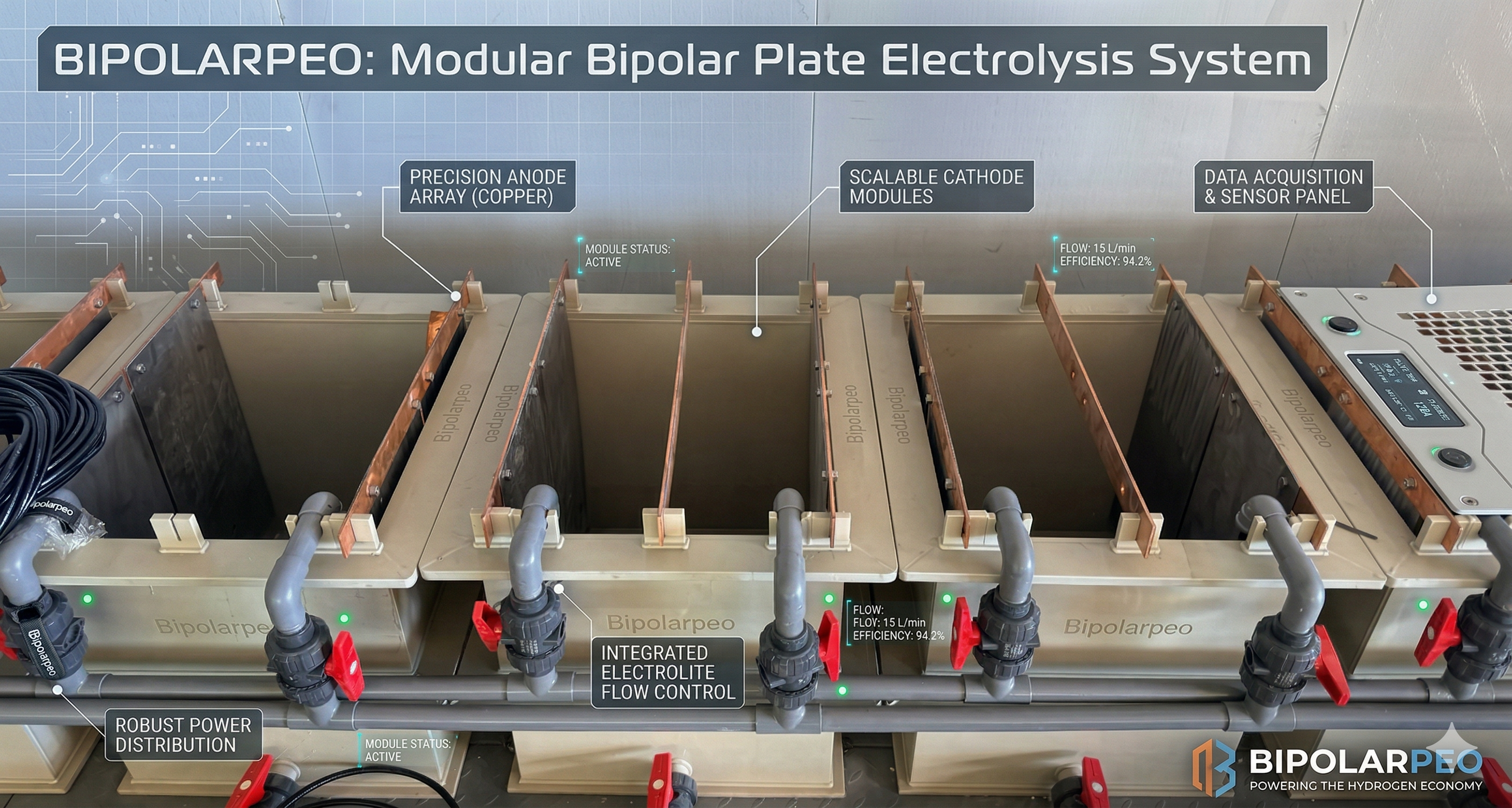
PEO Plasma Coating Information


Magnesium is the lightest structural metal available. It is 33% lighter than aluminum and 75% lighter than steel. This makes it ideal for EVs, aerospace, and premium electronics.
However, magnesium has a major flaw. It is highly reactive. Without advanced protection, it suffers from rapid corrosion and poor wear resistance.
Limits of Traditional Coatings
Traditional surface treatments often fail to protect magnesium effectively:
Chemical Conversion: These offer only a thin barrier. They scratch easily and lack structural wear resistance.
Standard Anodizing: This process often yields porous results. It fails to provide long-term corrosion protection.
Plating: This method uses toxic chemicals. Any surface breach can cause severe galvanic corrosion.
How PEO Transforms Magnesium
Plasma Electrolytic Oxidation (PEO) fully stabilizes magnesium for industrial use. It transforms the reactive surface into a bonded ceramic armor.
1. Extreme Corrosion Resistance
The dense oxide layer stops corrosion in its tracks. PEO-treated alloys like AZ91D can endure 1000+ hours of salt spray testing. This requires proper sealing for maximum durability.
2. Enhanced Surface Hardness
Bare magnesium is soft and prone to damage. PEO boosts surface hardness to 450–800 HV. This provides the wear resistance needed for moving parts and heavy handling.
3. Effective Galvanic Isolation
The ceramic layer acts as a powerful insulator. It stops the electrical flow that causes corrosion. This is vital when magnesium touches dissimilar metals like steel or aluminum.
The Lightweighting Solution
By using MAO/PEO, manufacturers can leverage the weight-saving benefits of magnesium. You no longer have to compromise on durability, safety, or product longevity.
Plasma Electrolytic Oxidation (PEO)—also widely known in the industry as Micro-Arc Oxidation (MAO) or Micro-arc Plasma Coating (MPC)—is an advanced electrochemical surface treatment for light alloys. Unlike traditional plating, the component is submerged in an eco-friendly, water-based electrolyte bath where high voltage is applied. This creates controlled micro-plasma discharges on the metal’s surface, converting the substrate itself into a highly dense, metallurgically bonded crystalline ceramic oxide layer.
Because the MAO/PEO process operates at extreme localized temperatures, it crystallizes the oxide layer (forming phases like alpha-alumina on aluminum). This results in extreme surface hardness that vastly outperforms standard treatments.
Aluminum Alloys: Typically achieve a hardness of 900 to 1600 HV (harder than steel).
Magnesium Alloys: Typically achieve a hardness of 450 to 800 HV. This dense ceramic structure provides an ultra-low coefficient of friction and exceptional long-term wear resistance for moving mechanical parts.
The ceramic oxide layer acts as an impenetrable, chemically inert barrier. In standardized neutral salt spray testing (NSS), highly optimized PEO coatings—especially when combined with a final sealing process—routinely exceed 1000 to 2000+ hours of corrosion resistance. This makes it an ideal solution for marine, aerospace, and military applications where substrate protection is critical.
PEO coatings are exceptional electrical and thermal insulators, making them highly sought after in the semiconductor and EV battery sectors.
Dielectric Strength: The coating typically exhibits a dielectric strength of 25 to 40 V/μm. For example, a standard 40 μm film thickness can easily withstand breakdown voltages of approximately 1000V.
Thermal Protection: The crystalline ceramic acts as a thermal barrier, offering thermal shock resistance up to 300°C while preventing heat degradation of the underlying light alloy.
PEO is engineered specifically for light valve metals. We routinely process a wide variety of industrial grades, including:
Aluminum: 6063 (highly popular for extrusions), 6061, 5052, and casting grades like ADC12.
Magnesium: AZ91D, AZ31B.
Titanium: Ti-6Al-4V. Note: High silicon content in certain cast alloys can influence coating dynamics, but the process remains highly adaptable.
Yes, and this is a critical engineering consideration. Because the ceramic layer is grown directly from the substrate and forms a rigid outer shell, it alters the overall mechanical profile of the part. Engineers should account for a slight decrease in overall tensile strength (approximately -5% to -15%) and a more noticeable decrease in elongation (approximately -10% to -30%). The trade-off is a massive exponential gain in surface durability.
While both are electrochemical, Hard Anodizing operates at lower voltages to produce an amorphous, non-crystalline oxide layer that is prone to fatigue-inducing micro-cracking under stress. PEO utilizes plasma discharges to melt and fuse the oxide into a fully crystallized ceramic. Consequently, PEO is significantly harder, handles much higher thermal loads, provides superior corrosion protection, and does not suffer from the same line-of-sight thickness limitations on complex geometries.
Chemical conversion coatings (commonly referred to as chromate, Alodine, or “皮膜”) are microscopic films used primarily as paint primers or for very basic corrosion resistance. They offer zero wear resistance. PEO creates a thick, structural ceramic armor. Where “皮膜” is fragile and easily scratched, PEO provides extreme mechanical durability.
The actual electrolytic bath processing time is rapid, typically ranging from 10 to 60 minutes depending on the specific alloy grade (e.g., 6063 vs. ADC12) and the target coating thickness (which can range from 10μm to over 100μm). Because the deposition rate is fast and requires fewer pre-treatment steps than legacy plating, throughput is high, allowing for scalable production and competitive lead times. Usually lead time can be vary, depends on situation.
Absolutely. One of the strongest industrial advantages of PEO is its environmental compliance. The process uses dilute, alkaline, water-based electrolytes. It is completely free of heavy metals, VOCs, hexavalent chromium, and strong acids. It is a green, sustainable alternative that easily meets strict modern RoHS and REACH environmental regulations.
Because Micro-Arc Oxidation (MAO) provides an unparalleled combination of extreme hardness, thermal barrier protection, and high dielectric strength, it is a critical surface engineering solution for tier-1 OEMs and global technology leaders across several advanced sectors:
Semiconductor Manufacturing Equipment: Top-tier wafer fab equipment providers and leading semiconductor foundries require MAO on aluminum vacuum chamber components. The PEO ceramic layer offers exceptional dielectric properties and extreme resistance to halogen plasma etching environments, which is mandatory for sub-nanometer chip production.
Consumer Electronics (3C): Global smartphone, smartwatch, and premium laptop brands utilize MAO on lightweight magnesium and aluminum alloy chassis. It provides unmatched scratch resistance, structural rigidity, and thermal management while allowing devices to maintain an ultra-thin, lightweight profile.
Electric Vehicles (EV) & Automotive: Leading luxury EV manufacturers and automotive suppliers specify PEO for thermal management components, lightweight magnesium structural parts, and high-voltage battery enclosures. The coating’s high breakdown voltage (exceeding 1000V) and superior corrosion resistance are vital for EV electrical safety and vehicle weight reduction strategies.
Aerospace & Defense: Major aerospace contractors and defense manufacturers specify PEO treatments for titanium and aluminum structural components, actuators, and turbine parts. The ceramic layer’s ability to withstand sudden thermal shock, prevent galling under heavy friction, and pass rigorous 2000+ hour salt spray tests makes it indispensable for flight-critical hardware.
Medical Devices: The medical industry uses PEO on titanium implants and surgical tools because the resulting oxide layer is fully biocompatible, highly durable, and capable of withstanding repeated high-temperature sterilization cycles without degrading.